


Καθηγητής με αντικείμενο «Διεθνείς Σχέσεις και Θρησκεία στη Μέση Ανατολή» στο Τμήμα Πολιτικής Επιστήμης και Διεθνών Σχέσεων του Πανεπιστημίου Πελοποννήσου και επιστημονικός υπεύθυνος του Κέντρου Μεσογειακών, Μεσανατολικών και Ισλαμικών Σπουδών (ΚΕΜΜΙΣ) στο ίδιο Πανεπιστήμιο. Έχει επίσης διδάξει "Διεθνείς Σχέσεις στη Μ. Ανατολή και τον Τρίτο Κόσμο" στο Πάντειο Πανεπιστήμιο.Διετέλεσε Πρόεδρος του Τμήματος την περίοδο 2008-2011. Την περίοδο 1997-2003 ήταν Εμπειρογνώμονας για τη Μέση Ανατολή στο Υπουργείο Εξωτερικών. Διετέλεσε μέλος των Task Force for Water Issues and the Palestinian Refugees του Ειδικού Απεσταλμένου της Ε. Ε. για τη Μέση Ανατολή και της Άτυπης Διεθνούς Ομάδας για την Ιερουσαλήμ. Την περίοδο 1997-1999 ήταν βασικό στέλεχος στην ομάδα οργάνωσης της ειρηνευτικής πρωτοβουλίας “Συναντήσεις των Αθηνών” μεταξύ Παλαιστινίων και Ισραηλινών πολιτικών προσωπικοτήτων. Το 2009 ορίστηκε Εκπρόσωπος της Προεδρίας του ΟΑΣΕ για τους Μεσογειακού Εταίρους. Το 2012 διετέλεσε Visiting Scholar στο University of California, Santa Barbara (UCSB). Έχει συγγράψει βιβλία και άρθρα για την περιφερειακή ασφάλεια στη Μέση Ανατολή, το πολιτικό Ισλάμ και τους χριστιανούς στην Μέση Ανατολή.
Πατήστε εδώ για να δείτε το πλήρες βιογραφικό & τη λίστα των άρθρων του συγγραφέα
⇔
Sotiris Roussos is Associate Professor on International Relations and Religion in the Middle East at the Department of Political Science and International Relations of the University of Peloponnese and Head of the Centre for Mediterranean, Middle East and Islamic Studies (CEMMIS). He has been Head of the Department from 2008-2011 and he also taught Middle East Politics and International Relations at the Department of International and European Studies of Panteion University, Athens. From 1997 to 2003, he served as Senior Middle East Expert at the Greek Foreign Ministry. In the same period, he was member of Organising Team for the Athens Meetings between Israelis and Palestinians MPs, member of the Task Forces for Water and Refugee Issues of the EU Special Representative for the Middle East, and Greek representative in the Informal Group on the Religious and Cultural Aspects of Jerusalem. In 2009 Sotiris Roussos was appointed Personal Envoy for the Mediterranean Partners of the President-in-Office of the OSCE. Visiting Scholar at the University of California, Santa Barbara (UCSB) in 2012. He has written extensively on the regional security and international politics in the Middle East, political Islam and the Christian communities in the Eastern Mediterranean.
Click here to view the full cv & the author's articles' list

 Κατά την τελευταία δεκαετία, τα εμπόδια για την ανατροπή του καθεστώτος Άσαντ στη Συρία διαμορφώθηκαν κυρίως από την εξωτερική παρέμβαση δύο βασικών παραγόντων: της Ρωσίας και της Χεζμπολάχ. Η Μόσχα παρείχε κρίσιμη αεροπορική υποστήριξη στην κυβέρνηση της Συρίας, ενώ η Χεζμπολάχ, με την υποστήριξη του Ιράν, πρόσφερε χερσαίες δυνάμεις που βοήθησαν στη διατήρηση της εξουσίας του Άσαντ. Από την άλλη πλευρά, το Ισραήλ και τα κράτη του Κόλπου, όπως η Σαουδική Αραβία, είχαν τις δικές τους επιφυλάξεις σχετικά με το ποιος ή τι θα μπορούσε να διαδεχθεί τον Άσαντ. Για το Ισραήλ, το ενδεχόμενο να αναλάβει τη Συρία η Μουσουλμανική Αδελφότητα, με την υποστήριξη της Τουρκίας, ήταν πιο ανησυχητικό από τη συνέχιση της διακυβέρνησης του Άσαντ. Σε αυτό το πλαίσιο, η προτίμηση του Ισραήλ ήταν «ο διάβολος που γνωρίζουν» —ο Άσαντ— παρά ένα αβέβαιο μέλλον με τη Μουσουλμανική Αδελφότητα.

 Κατά τη διάρκεια της πρώτης περιόδου της Ισλαμικής Δημοκρατίας διαμορφώνονται δύο τάσεις στην διαμόρφωση αποφάσεων της εξωτερικής πολιτικής. Η μία είναι η πιο ριζοσπαστική και η άλλη η πραγματιστική.
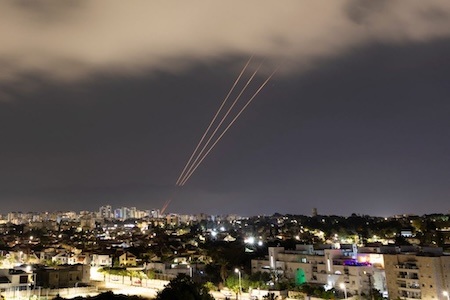 Η επίθεση του Ισραήλ στο ιρανικό προξενείο της Δαμασκού και η δολοφονία πέντε ανώτατων και ανώτερων Ιρανών αξιωματικών μπορεί να αποδοθεί σε τρεις λόγους που είναι σε μεγάλο βαθμό αλληλένδετοι. Πρώτον, είναι πιθανό ότι αποτελεί προοίμιο μιας γενικής επίθεσης του Ισραήλ κατά της Χεζμπολάχ ανάλογη με αυτή εναντίον της Χαμάς μετά το τέλος της επίθεσης στη Γάζα. Η δολοφονία των Ιρανών ανώτατων αξιωματικών που ήταν υπεύθυνοι για τη Συρία, τον Λίβανο και την Παλαιστίνη αποδυναμώνει πολύ την επιτελική αποτελεσματικότητα της Χεζμπολάχ τους επόμενους μήνες. Δεύτερον, η επίθεση είναι ένα μήνυμα προς τις ΗΠΑ μετά την στάση τους στο Συμβούλιο Ασφαλείας του ΟΗΕ. Το μήνυμα είναι ότι το Ισραήλ θέτει τις στρατηγικές προτεραιότητες στη Μέση Ανατολή και όχι η Ουάσιγκτον.

Sotiris Roussos is Professor on International Relations and Religion in the Middle East at the Department of Political Science and International Relations of the University of Peloponnese and Head of the Centre for Mediterranean, Middle East and Islamic Studies (CEMMIS). He has been Head of the Department from 2008-2011 and he also taught Middle East Politics and International Relations at the Department of International and European Studies of Panteion University, Athens. From 1997 to 2003, he served as Senior Middle East Expert at the Greek Foreign Ministry. In the same period, he was member of Organising Team for the Athens Meetings between Israelis and Palestinians MPs, member of the Task Forces for Water and Refugee Issues of the EU Special Representative for the Middle East, and Greek representative in the Informal Group on the Religious and Cultural Aspects of Jerusalem. In 2009 Sotiris Roussos was appointed Personal Envoy for the Mediterranean Partners of the President-in-Office of the OSCE. Visiting Scholar at the University of California, Santa Barbara (UCSB) in 2012. He has written extensively on the regional security and international politics in the Middle East, political Islam and the Christian communities in the Eastern Mediterranean.


The Centre for Mediterranean, Middle East & Islamic Studies posts a multitude of positions in the context of free academic debate. These do not necessarily reflect the positions of the CEMMIS. The use and reproduction of the multimedia material displayed in the CEMMIS website has non-profit character and serves academic and educational purposes, with full respect to copyright and intellectual property laws, and in accordance with the Greek Laws 2121/1993 and 2557/1997.

