


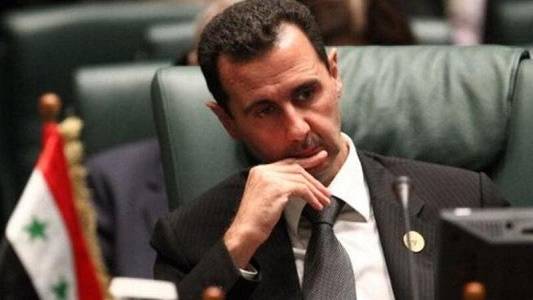
 Κατά την τελευταία δεκαετία, τα εμπόδια για την ανατροπή του καθεστώτος Άσαντ στη Συρία διαμορφώθηκαν κυρίως από την εξωτερική παρέμβαση δύο βασικών παραγόντων: της Ρωσίας και της Χεζμπολάχ. Η Μόσχα παρείχε κρίσιμη αεροπορική υποστήριξη στην κυβέρνηση της Συρίας, ενώ η Χεζμπολάχ, με την υποστήριξη του Ιράν, πρόσφερε χερσαίες δυνάμεις που βοήθησαν στη διατήρηση της εξουσίας του Άσαντ. Από την άλλη πλευρά, το Ισραήλ και τα κράτη του Κόλπου, όπως η Σαουδική Αραβία, είχαν τις δικές τους επιφυλάξεις σχετικά με το ποιος ή τι θα μπορούσε να διαδεχθεί τον Άσαντ. Για το Ισραήλ, το ενδεχόμενο να αναλάβει τη Συρία η Μουσουλμανική Αδελφότητα, με την υποστήριξη της Τουρκίας, ήταν πιο ανησυχητικό από τη συνέχιση της διακυβέρνησης του Άσαντ. Σε αυτό το πλαίσιο, η προτίμηση του Ισραήλ ήταν «ο διάβολος που γνωρίζουν» —ο Άσαντ— παρά ένα αβέβαιο μέλλον με τη Μουσουλμανική Αδελφότητα.

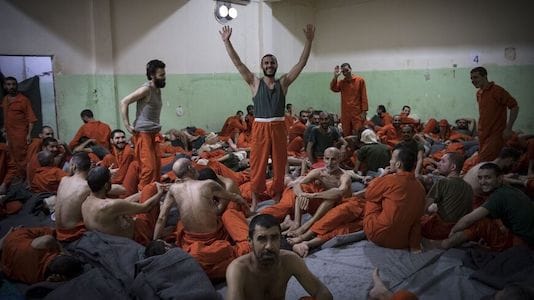 Even though, during the past year, developments in Syria have entered a stabilization trajectory, the country remains fragmented and a “playground” where different regional and national interests collide. The Assad regime has managed to maintain and extend its control in most of the Syrian territories around Damascus and in the south. However, there are still challenges from opposition forces in the northwest, the Kurdish-controlled areas in the northeast and a re-emerging ISIS threat looming both from previously ISIS-controlled enclaves as well as prisons and camps.[1] At the same time, lines are blurred in regional alliances, such as the one between Russia and Iran, as the players attempt to consolidate their power at each other’s expense. What will 2022 look like for Syria and what are the imminent threats for the country’s sovereignty?
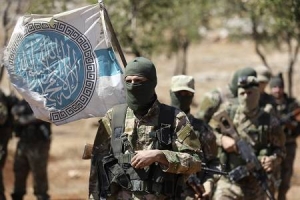
 Syria’s north-western region of Idlib remains the stronghold of the opposition forces, with the most prominent jihadist groups operating there, as well as the most committed opposition forces against Assad’s regime. As Aron Lund states, the rebel-held areas are governed by a patchwork of sharia courts, local councils, exile government departments, and direct rule by armed groups. However, instead of forming a unified opposition, those non-state actors are competing against each other for control over Idlib.

 Despite the latest ceasefire in Idlib, tensions are once again rising across Syria. In the northwest, the high mobility in Idlib indicates that renewed fighting is rather a matter of timing, while in the south and east, escalating assassination campaigns in Daraa and Deir ez-Zor generate new dangerous dynamics. In central and eastern Syria, the resurgence of ISIS cells further exposes a severe security vacuum that opens way for intensive influence competition between the Kurds and the regime. Last but not least, the unprecedented economic crisis that face the country threatens to derail even the minimum stability enjoyed in Syria at the moment.


Frédéric Pichon’s diminutive book is more of a scathing indictment of what Western nations, France in particular, have done wrong in Syria. It is by no means a history of Syria’s war, which the reader ought to be familiar with before reading. French scholarship on Mediterranean affairs has been in no shortage. By virtue of its former regional status as a great power and an ever-sophisticated academia, France counts many knowledgeable pundits. Yet, an overwhelming preponderance of Anglophone international relations literature and the more introverted nature of the French academia has meant that francophone publications have made less noise.
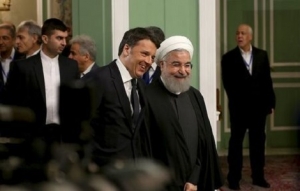
On February 22, 2014, Matteo Renzi, Secretary of the Democratic Party, was appointed as Prime Minister by the President of the Italian Republic, Giorgio Napolitano, and was nominated to form a new coalition government. A few months later, Daesh militants declared an Islamic State in the territories of Syria and Iraq, further complicating the ongoing Syrian crisis. The above raise the question of what are the Italian interests at stake in Syria? Is the Renzi government’s position on the Syrian conflict in contrast or not with the policy adopted by the previous administration? Is an Italian involvement in Syria still possible and realistic considering the traditional importance of Libya for the country?


The Centre for Mediterranean, Middle East & Islamic Studies posts a multitude of positions in the context of free academic debate. These do not necessarily reflect the positions of the CEMMIS. The use and reproduction of the multimedia material displayed in the CEMMIS website has non-profit character and serves academic and educational purposes, with full respect to copyright and intellectual property laws, and in accordance with the Greek Laws 2121/1993 and 2557/1997.

