


 Famed for its charitable non-profit work in war-torn and poverty-stricken parts of the world, the Aga Khan Development Network funds, amongst others, a plethora of cultural initiatives coordinated under the umbrella of the Aga Khan Trust for Culture. Albeit guided by Islamic ethics and a focus on redeveloping cultural heritage in areas with Muslim populations, the organization brings together financial and technical resources to revitalize local communities regardless of their faith, and build cultural bridges between the Islamic and non-Islamic world.

 After years of turmoil following the ouster of Hosni Mubarak in 2011 and the collapse in the numbers of tourists visiting the country, Egypt’s cultural tourism is back on a fast track for growth. In an effort to rebuild the country’s reputation as a safe destination and win back international tourists, the government has introduced measures to restore security infrastructure, upgrade visitor experience and develop new attractions, such as the Grand Egyptian Museum. Although numbers still remain well behind 2010, this recent rebound makes a strong case for the potential that tourism can offer towards the revival of affected destinations.
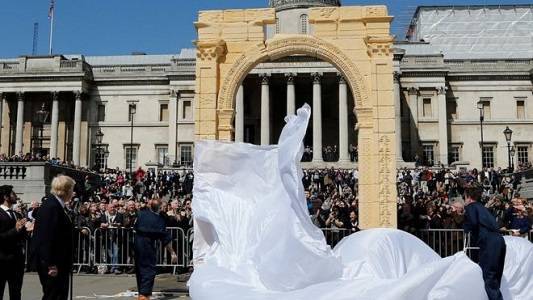 Since the beginning of the war in Syria in 2011, the country’s cultural heritage has been subjected to different kinds of annihilation. With the conflict nearing some kind of end but external forces still destabilizing the region, ongoing plans for the reconstruction of Syria’s archaeological casualties generate a multifaceted debate over when they should be taking place, the motivating factors behind these projects, their purpose and who are the stakeholders coordinating their implementation. Τhe reconstruction of post-conflict archaeology in Syria could be providing a valuable opportunity for sustaining communities through participatory initiatives that appropriate the traces of war.


The Centre for Mediterranean, Middle East & Islamic Studies posts a multitude of positions in the context of free academic debate. These do not necessarily reflect the positions of the CEMMIS. The use and reproduction of the multimedia material displayed in the CEMMIS website has non-profit character and serves academic and educational purposes, with full respect to copyright and intellectual property laws, and in accordance with the Greek Laws 2121/1993 and 2557/1997.


